
Pet food regulations can be confusing, especially when it comes to copper—a mineral that’s essential in small amounts but potentially dangerous in excess. If you’ve researched dog food for a dog with copper-associated hepatopathy, you may have noticed something puzzling: the European FEDIAF (Federation Européenne de l’Industrie des Aliments pour Animaux Familiers) sets a maximum copper limit of 28 mg/kg, while AAFCO (Association of American Feed Control Officials) refuses to establish any upper limit at all.
This isn’t an oversight or lack of concern. Rather, it reflects fundamentally different regulatory philosophies and the current state of scientific evidence. Understanding why these organizations took different approaches is crucial for anyone managing a dog’s dietary copper intake.
The Core Problem: Insufficient Scientific Data
The foundational reason AAFCO has not established a safe upper limit for copper in dog food is straightforward but significant: there is insufficient empirical data to establish such a limit scientifically. This conclusion comes directly from the National Academies of Sciences’ 2006 Nutrient Requirements of Dogs and Cats Expert Subcommittee, and as of 2022, no additional empirical data has been added to the scientific literature to change this determination.
When the AAFCO Expert Panel convened between May 2021 and July 2022 to specifically address the copper controversy, they faced three interconnected challenges that made setting a maximum impossible from a science-based perspective.
Why AAFCO Won't Set a Maximum
Lack of Controlled Studies
The fundamental barrier is the absence of sufficient controlled studies in normal dogs that would allow researchers to establish a true maximum tolerable level of copper. Without robust empirical evidence from well-designed studies, there is simply no scientific foundation upon which to base a safe upper limit. The existing data is largely anecdotal or comes from case studies of affected dogs, not from controlled feeding trials in healthy animals.
The Problem with Arbitrary Standards
Setting any copper maximum without scientific data would constitute an arbitrary decision rather than a science-based standard. The AAFCO Expert Panel explicitly stated that such an arbitrary approach would be inappropriate for a regulatory body establishing nutritional standards. Making up numbers to create the appearance of safety is worse than admitting the knowledge gap.
The Danger of False Security
Perhaps most critically, the Panel noted that arbitrarily setting a maximum implies two things:
- Diets containing less than or equal to that maximum are safe for dogs
- Diets exceeding it are unsafe
Neither of which has been demonstrated to be true. This reasoning reveals why AAFCO was hesitant to create a false sense of security with an unsubstantiated limit. After all, if the limit is arbitrary, it might be wrong in either direction—potentially unsafe or overly restrictive.
The Genetic Complication
The situation is further complicated by the fact that copper sensitivity started as being genetically influenced. Some dogs—particularly certain breeds like Bedlington Terriers, West Highland White Terriers, Labrador Retrievers, and Dalmatians—have genetic predispositions to copper accumulation. However, the data does not yet support making broad recommendations based on a minority genetic variant. The panel recognized this reality but couldn’t base recommendations on insufficient evidence.
How This Created a Practical Problem
Ironically, the lack of an upper limit has created a problematic situation that directly impacts dogs with copper storage disease. Since AAFCO requires only a minimum copper level but does not restrict the maximum, pet food manufacturers can legally include any amount of copper above the minimum requirement (AAFCO Dog and Cat Food Nutrient Profiles, 2014).
Studies have shown that commercial dog foods often contain 2.4 to 5 times the minimum copper requirement, with some formulations reaching 9 mg copper per 1000 kcal of metabolizable energy—nearly five times the minimum (Davies et al., 2017; Amundson et al., 2024). For a dog with copper storage disease or genetic predisposition, this is deeply problematic.
Even more concerning, the AAFCO Expert Panel proposed alternative language for a voluntary “Low Copper” claim with a maximum of 15 mg Cu/kg dry matter—a threshold that would help consumers identify truly copper-restricted diets (AAFCO Copper Claim Workgroup, 2024). However, AAFCO’s Pet Food Committee ultimately voted against even this voluntary option on May 30, 2024, leaving the market without any standardized way to identify “low copper” products (AAFCO, 2024).

FEDIAF’s Upper Limit: A Different Foundation
FEDIAF does set a maximum copper limit for dog foods at 28 mg/kg DM (dry matter) (FEDIAF Nutritional Guidelines, 2021; Davies et al., 2017). However, this limit is based on an entirely different rationale than a science-based safety assessment.
The Environmental Basis
The European Union established a 25 mg/kg DM maximum for copper in dog foods based on environmental protection concerns—not because scientific studies demonstrated this was the safe level for dogs (Commission Implementing Regulation (EU) 2018/1039; AAFCO Pet Food Committee Copper in Dog Foods Expert Panel, 2022). The reasoning was ecological: copper in dog waste can accumulate in soil and water systems, creating environmental concerns. FEDIAF then incorporated this EU environmental maximum into their nutrient profiles, raising it slightly to 28.4 mg/kg for their recommendations (FEDIAF Nutritional Guidelines, 2021).
This is a crucial distinction: FEDIAF’s limit protects the environment, not necessarily dogs with copper sensitivity. It’s a regulatory choice driven by environmental policy, not canine toxicology.


The Problem with This Approach
The irony is that the AAFCO panel noted that FEDIAF’s limit of 28 mg/kg is based on environmental concerns rather than copper toxicity studies in dogs (AAFCO Pet Food Committee Copper in Dog Foods Expert Panel, 2022). This means FEDIAF’s limit addresses environmental protection but may not adequately protect copper-sensitive dogs. In fact, FEDIAF’s 28 mg/kg maximum is still higher than many experts recommend for dogs with genetic copper accumulation disorders.
What Does the Toxicity Data Actually Show?
When the AAFCO panel analyzed available toxicity data from the scientific literature, they found that the no-observed-adverse-effect level (NOAEL) in dogs likely falls somewhere between 28-31 mg/1000 kcal ME (112-124 mg/kg DM) to 112-124 mg/1000 kcal ME (448-496 mg/kg DM). This range is so broad—based largely on a single 1972 study—that no definitive safe maximum can be established without more research (AAFCO Pet Food Committee Copper in Dog Foods Expert Panel, 2022).
This enormous range illustrates the central problem: we simply don’t have enough controlled data to know where the true safe upper limit lies. The panel members who dissented and suggested limits of 25-40 ppm were working with the same uncertain data, highlighting just how subjective the decision would be.
The 2021 Catalyst: Center et al. Study
The current regulatory debate began with a 2021 viewpoint article by Center et al. published in the Journal of the American Veterinary Medical Association. The authors made three specific requests to AAFCO:
- Reestablish a maximum concentration for copper in AAFCO Dog Food Nutrient Profiles
- Set the recommended copper content to a range from 0.9 mg Cu/1000 kcal ME to a maximum of 1.1 mg Cu/1000 kcal ME
- Prohibit the use of all supplemental copper sources except copper oxide in dog foods
The study expressed concern that copper levels in dogs’ livers had been increasing over the past two decades and correlated this with copper content in commercial dog foods. However, AAFCO questioned whether this increase resulted from changes in analytical methods or other factors unrelated to dog food, emphasizing the need for definitive proof of cause and effect rather than implications or associations (AAFCO Response to JAVMA Viewpoint Article, 2021; AVMA, 2023).

Why This Matters for Your Dog
For owners of dogs with copper-associated hepatopathy or breeds with genetic copper accumulation risk, this regulatory divide creates real challenges: The AAFCO situation means the U.S. market is essentially unregulated for maximum copper levels.
The focus of selecting a diet should be on informed selection rather than fear-based restriction. The goal is to meet nutritional requirements while avoiding excessive supplementation—a principle that applies to all nutrients, not just copper.
The FEDIAF standard provides European consumers with at least a known upper boundary, though this limit was set for environmental reasons rather than canine health protection. It’s better than nothing, but it’s not necessarily protective enough for vulnerable dogs.
Moving Forward: What You Can Do
Until more rigorous controlled studies establish true safe copper maximums for both healthy dogs and genetically predisposed individuals, consumers must take an active role:
- Choose foods from manufacturers that meet World Small Animal Veterinary Association standards
- Consider Overall Formulation: Look at nutrient ratios rather than isolated copper values
- For dogs with confirmed copper storage disease, therapeutic hepatic diets or home-cooked diets formulated by qualified veterinary nutritionists are necessary
- Stay informed about genetic testing options that can identify dogs at risk before clinical signs develop
- Maintain regular liver enzyme testing with your veterinarian. Work with your veterinarian to establish appropriate testing intervals based on your dog’s individual risk factors and any existing liver disease.
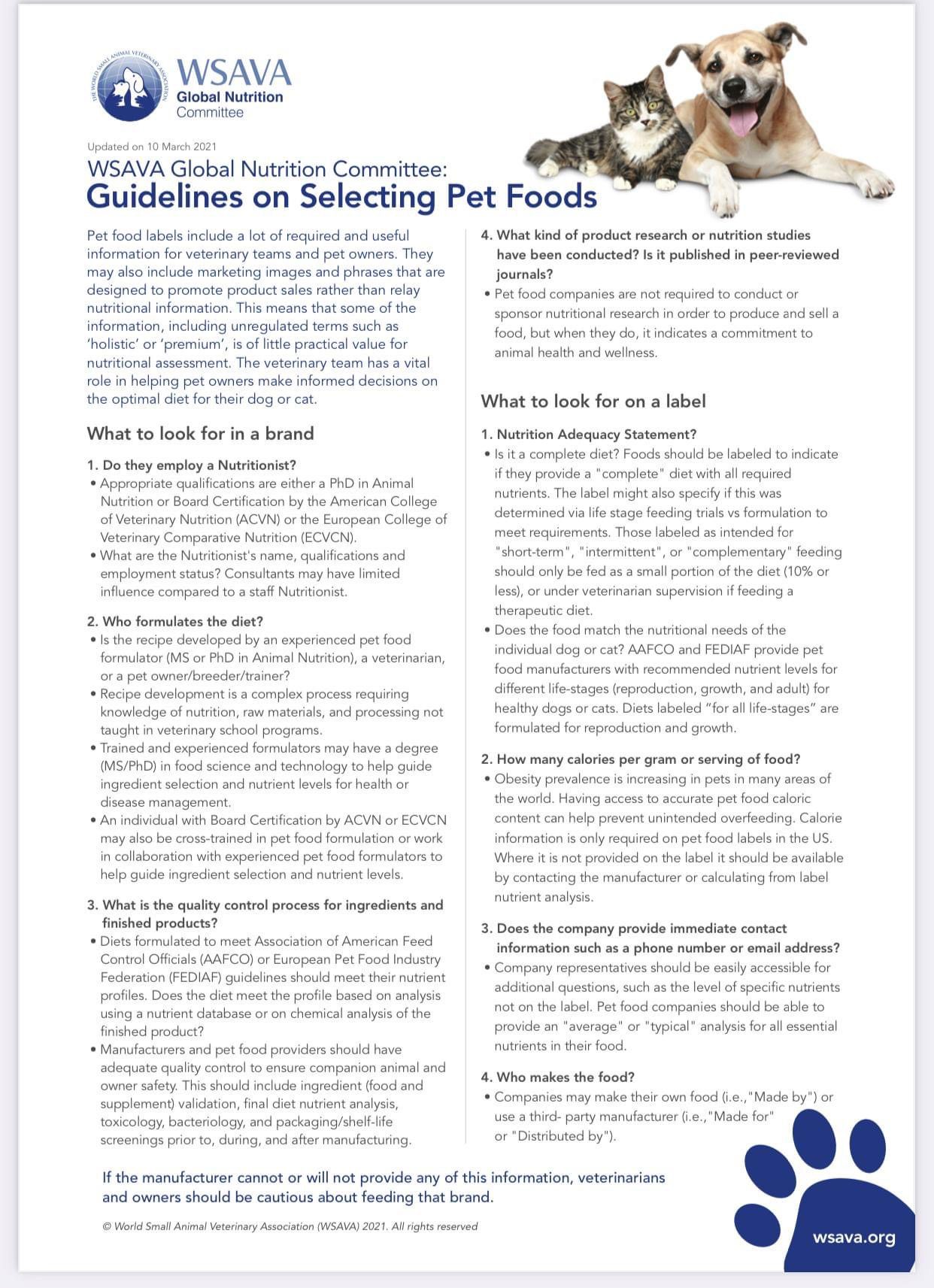
The difference between AAFCO’s “no upper limit” and FEDIAF’s 28 mg/kg maximum reflects two different regulatory philosophies. AAFCO prioritizes scientific rigor, refusing to establish a limit without solid evidence. FEDIAF established their maximum based on environmental concerns, not canine safety data.
Neither approach perfectly protects dogs with copper sensitivity, which is why informed pet owners must fill the gap with their own research and advocacy. The good news is that awareness is growing, more copper research is being conducted, and the pet food industry is slowly responding to consumer demand for lower-copper options.
Until regulatory bodies establish science-based upper limits that specifically protect at-risk dogs, your diligence in researching your dog’s food and working with knowledgeable veterinarians and nutritionists remains the best protection.
Synergistically Yours,
Danielle & Bugaboo’s Gentry
References
AAFCO (Association of American Feed Control Officials). (2014). AAFCO Dog and Cat Food Nutrient Profiles. AAFCO Official Publication.
AAFCO (Association of American Feed Control Officials). (2021). Response from AAFCO to JAVMA Viewpoint Article of February 15, 2021. AAFCO Official Publication.
AAFCO (Association of American Feed Control Officials). (2024, June 3). PFC votes on voluntary “controlled copper” claim for dog food. Retrieved from https://www.aafco.org/news/pfc-votes-on-voluntary-controlled-copper-claim-for-dog-food/
AAFCO Copper Claim Workgroup. (2024). Final Report to the Pet Food Committee. AAFCO Official Publication.
AAFCO Pet Food Committee Copper in Dog Foods Expert Panel. (2022, August 1). Copper in Dog Foods Expert Panel Final Report with Recommendations to the Pet Food Committee. AAFCO Official Publication.
American Veterinary Medical Association (AVMA). (2023, April 16). AAFCO reaffirms guideline on copper levels in dog food. AVMA News. Retrieved from https://www.avma.org/news/aafco-reaffirms-guideline-copper-levels-dog-food
Amundson, L. A., et al. (2024). Copper metabolism and its implications for canine nutrition. Animals, 14(1), 112.
Center, S. A., Richter, K. P., Twedt, D. C., Wakshlag, J. J., Watson, P. J., & Webster, C. R. L. (2021). Is it time to reconsider current guidelines for copper content in commercial dog foods? Journal of the American Veterinary Medical Association, 258(4), 357-364.
Commission Implementing Regulation (EU) 2018/1039 of 23 July 2018 concerning the authorisation of copper compounds as feed additives for all animal species. Official Journal of the European Union, L 186, 3-17.
Davies, M., et al. (2017). Mineral analysis of complete dog and cat foods in the UK and compliance with European guidelines. Scientific Reports, 7, 17633.
FEDIAF (Federation Européenne de l’Industrie des Aliments pour Animaux Familiers). (2021). Nutritional Guidelines for Complete and Complementary Pet Food for Cats and Dogs. FEDIAF European Pet Food Industry.
National Research Council. (2006). Nutrient Requirements of Dogs and Cats. The National Academies Press.
Did you find this information helpful? Do you enjoy my content or learn something new? Consider showing your support by buying me a coffee.
Has your dog been affected by Canine Copper-Associated Hepatopathy? Please see our Members Page.
